· 6 min read · Cave Creek
What Should You Know About Wells, Septic And Water Before Buying A Home In Cave Creek?
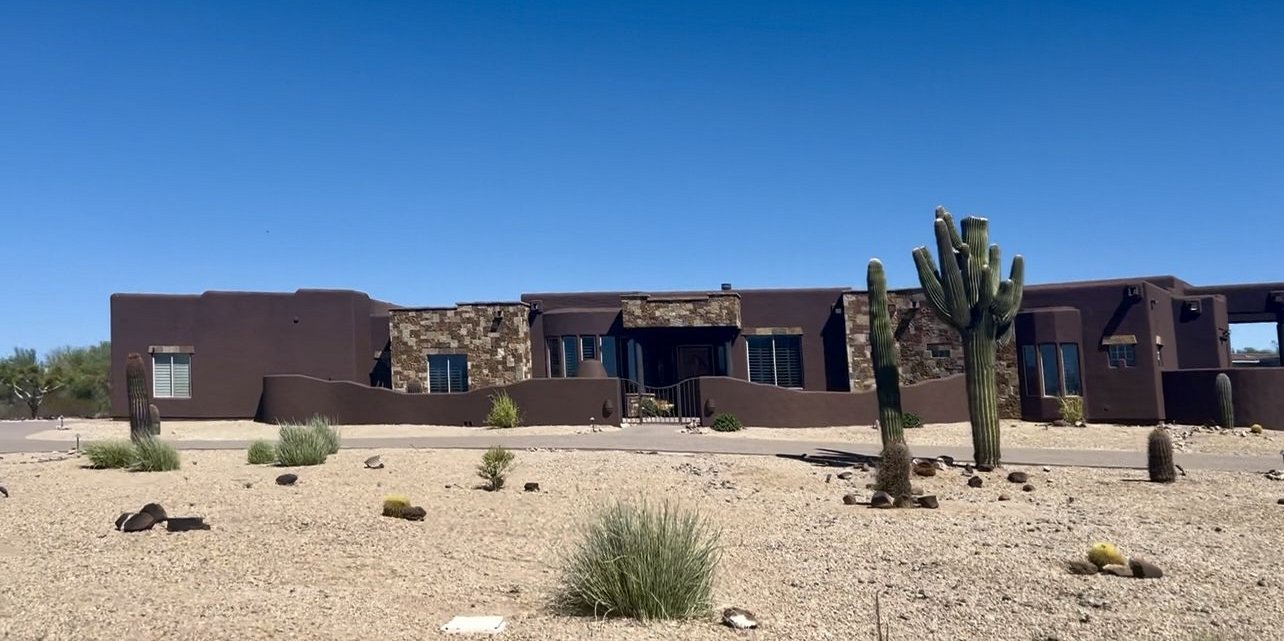
A lot of buyers come to Cave Creek for space: bigger lots, horse property and desert all around. That space often comes with a question city buyers have never had to ask: where does the water come from, and where does it go? Valerie Moe, a real estate agent with Keller Williams Realty Sonoran Living in Cave Creek, Arizona, walks buyers through this on almost every rural showing. Here's what to know about town water, private wells and septic systems before you write an offer.
Where Does Cave Creek's Water Actually Come From?
The Town of Cave Creek runs two separate water systems, and which one serves a home matters.
The Cave Creek Water System uses surface water from the Central Arizona Project. The Town pumps it from the CAP canal at Deer Valley Road about 12 miles to its treatment plant on Basin Road. It had 2,537 active connections at the end of 2024.
The Desert Hills Water System serves parts of unincorporated Maricopa County and runs on groundwater from three wells. The Town describes that groundwater supply as decreasing and sends treated CAP water to Desert Hills through a connection between the two systems. It had 1,820 active connections at the end of 2024.
Then there are homes on neither system. Some Cave Creek properties have their own private well, or share one with neighbors. Find out which of the three a home has before you get attached to it.
How Do I Find Out Which Water A Home Has?
Start with the seller's disclosure and the listing, then confirm it. Ask the seller for a recent water bill if the home is on a town system. If the property has a well, the Arizona Department of Water Resources (ADWR) keeps well registration records you can look up by parcel.
ADWR is clear that its records aren't proof. It can't guarantee a parcel has no well, and it says the best way to tell is to physically inspect the property. So walk the lot during your inspection period.
What Should I Check On A Private Well?
A well is a piece of equipment and a water supply at the same time, so check both.
- Have it inspected. The Arizona REALTORS® Domestic Water Well/Water Use Addendum says that if well performance or water quality matters to you, you inspect the well and have the inspector send a water sample to a qualified lab.
- Test the water. The Arizona Department of Health Services keeps a list of labs certified to test well water. ADWR points buyers there.
- Know what kind of well it is. Most household wells are what Arizona calls exempt wells, with a pump of 35 gallons per minute or less.
- Transfer it after closing. When you buy a property with a well on it, you file ADWR Form 55-71A, Request to Change Well Information. It's filed after the sale closes, because it needs a copy of your deed and a parcel map with the well marked. The fee is $30 per well, and ADWR says updating the file can take a few months.
What If The Well Is Shared With Neighbors?
Shared wells are common on rural land, and they deserve extra attention. If the shared well sits on the parcel you're buying, it gets transferred to you. If it sits on a neighbor's parcel, there's nothing to transfer, but you still depend on it.
ADWR doesn't regulate shared well agreements. It treats them as civil matters between the owners, which means a disagreement can end up in court. Read the written agreement before you buy: who pays for repairs, how costs are split and what happens when someone sells. If there's no written agreement, that's worth a serious conversation before you go further. ADWR also notes that a well serving 15 or more connections, or 25 or more year-round residents, may count as a community water system, which comes with its own rules.
How Does The Septic Inspection Work When A Home Sells?
Depending on the property, a Cave Creek home may be on the Town's sewer system or on its own septic system. If it has septic, Arizona has a specific process, and it can't be waived by the buyer, the seller or anyone else in the deal.
- The seller hires the inspector. A qualified inspector has to inspect the system within six months before the sale closes.
- The tanks get pumped. Any significant amount of waste has to be pumped from each tank as part of the inspection.
- You get the report. Before closing, the seller gives you the completed Report of Inspection plus any permit and maintenance records for the system.
- You file the Notice of Transfer. Within 15 calendar days after closing, the buyer files a Notice of Transfer. In Maricopa County, which includes Cave Creek, it can be filed online through the county, and the fee is $60 per parcel.
One more rule: cesspools can't be used for sewage disposal in Arizona. If an inspection turns one up, talk with your agent and inspector right away.
What Should I Ask Before I Write An Offer?
Keep it to four questions:
- Water. Is this home on Cave Creek water, Desert Hills water or a well?
- Wastewater. Is it on sewer or septic?
- Sharing. If there's a well, is it shared, and is there a written agreement?
- Records. When was the septic system last pumped and inspected, and can I see the records?
The answers shape your inspection plan, your budget and sometimes your offer. For the bigger picture on your inspection period, see what due diligence actually means when buying a home in Arizona.
Thinking About Buying In Cave Creek?
Get a feel for the town on the Cave Creek area page or in what it's actually like to live in Cave Creek, and see how buying a home works from start to finish. When you're ready, reach out to Valerie. She can tell you what to look for on the homes you're considering and help you plan your inspections.
This post describes the general water, well and septic process when buying a home in Arizona. It is not legal, tax, or lending advice. Your own contract and your advisors govern your specific deadlines and rights.
Frequently Asked Questions
Q: Does every home in Cave Creek have town water? No. The Town runs two systems, Cave Creek and Desert Hills, and some properties use a private or shared well instead. Confirm the water source for the specific home before you write an offer.
Q: Who pays for the septic inspection when a home sells in Arizona? Arizona's rule puts the inspection on the seller, who has to hire a qualified inspector within six months before closing. The buyer files the Notice of Transfer within 15 calendar days after closing.
Q: Do I need to do anything with a well after I buy? Yes. If the well is on your parcel, file ADWR Form 55-71A after closing with a copy of your deed and a parcel map. The fee is $30 per well.
Q: Should I test the water from a private well? If water quality matters to you, yes. Have the well inspected and send a water sample to a lab certified by the Arizona Department of Health Services.